
THE OPPORTUNITY
MARYLAND'S HISTORIC OPPORTUNITY
The digital economy presents Maryland with an historic opportunity to create thousands of family-sustaining jobs, and invest in public services like K-12 public education.
At the heart of the digital revolution is the critical infrastructure that enables it: data centers. With the private sector planning more than $1 trillion in capital investments in the U.S., communities that proactively plan for data centers will position themselves for decades of economic prosperity and community strength. Yet, the impacts often associated with data centers – visual, environmental, or operational – are widely misunderstood, and in many cases, overstated.
UNDERSTANDING DATA CENTERS
Data centers are the libraries of the internet. They store and process the vast amounts of data that society depends on, from electronic health records and fraud detection systems to websites and video streaming platforms. They are the digital infrastructure that make online life and commerce possible.
HOW MARYLAND WINS WITH DATA CENTERS
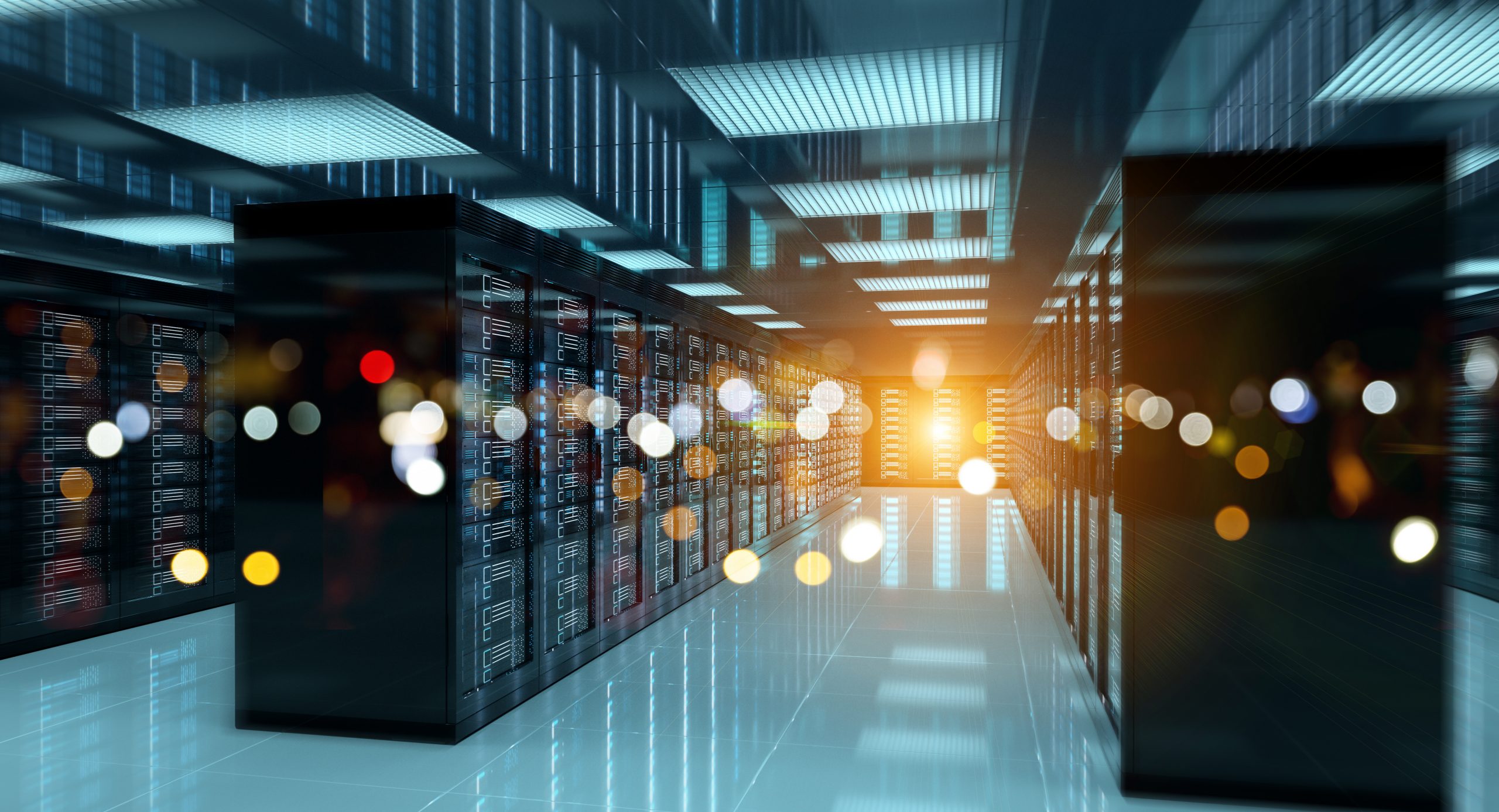
As integrated technology parks, data centers create immediate construction jobs that often provide five years of work, and permanent career paths in their communities. In addition, state tax revenues from a typical data center could pay the equivalent of 165 average teacher salaries annually. The community benefits from data centers are clear:
- Thousands of Maryland jobs for Maryland workers
- Massive new tax revenue to invest in world-class schools, police and other public services we depend on.
Consider this: a recent economic analysis found that a typical data center project in Maryland would:
- Support 5,000 direct and indirect jobs and $775 million in economic activity and generate approximately $18 million in state tax revenues during construction, alongside substantial local tax revenues.
- Once operational, the data center would support nearly 500 permanent jobs and generate $14 million in state tax revenue annually, plus substantial local tax revenues.
HOW DATA CENTERS USE AND PROTECT WATER
Data centers manage heat much like your home computer, just at a much larger scale. Cooling keeps systems safe and efficient, using methods like air, liquid, and free cooling.
Modern systems recycle or reuse water in closed-loop systems, minimizing waste.
Closed-Loop Cooling
Similar to how water in your house moves through pipes, this cooling method is completely closed and recirculates the water on a continuous loop, reducing or eliminating water impacts.
Free Cooling
Like opening your windows at home to let in cool air, data centers increasingly use outside air for portions of the year to regulate temperature naturally, virtually eliminating local water impacts. It also reduces the need for mechanical cooling and helps conserve energy.
Regulated Use
All large-scale water users, including data centers, follow strict regulations that ensure water is used responsibly, conserved carefully, and transparently reported.
HOW DATA CENTERS USE AND FUND OUR POWER GRID
Data center operators pay for the electricity they consume. Additionally, Maryland enacted the Next Generation Energy Act in 2025, making it the first state in the nation to require large data centers to pay a special rate for electricity to finance electric grid improvements. The power transmission grid will actually be strengthened as data centers fund improvements. Further, the data center has significantly improved its energy efficiency.
Further, new research shows that data centers can help lower electric prices. The Lawrence Berkeley National Laboratory and Brattle Group found that the states with the highest load growth (due partly to data centers) saw the average power price decline in inflation-adjusted dollars. States with load reduction often saw prices increase.